
Cast Iron vs. Steel Heaters: Which Performs Better Over Time?
The material your heater is made from isn't just a spec sheet detail — it determines how your equipment performs a decade from now.
If you're comparing heating equipment and wondering why cast iron commands a different conversation than steel, the answer comes down to how each material behaves under the conditions heaters actually face: repeated thermal cycling, sustained high temperatures, moisture exposure, and years of continuous or seasonal use. Both materials have their place, but when the question is long-term performance, the differences are worth understanding clearly.
How Each Material Handles Heat
Steel heaters heat up fast. That's a genuine advantage in applications where quick response time matters. But rapid heat-up comes with a tradeoff — steel also cools quickly, which means the moment your heat source cycles off, the warmth goes with it.
Cast iron behaves differently. It heats more slowly, but it stores thermal energy in a way steel simply can't match. Once a cast iron heater reaches operating temperature, it continues radiating heat long after the burn cycle ends. That thermal mass isn't a limitation — it's the point. In space heating applications especially, this characteristic translates to more even, consistent warmth and fewer temperature swings throughout the day.
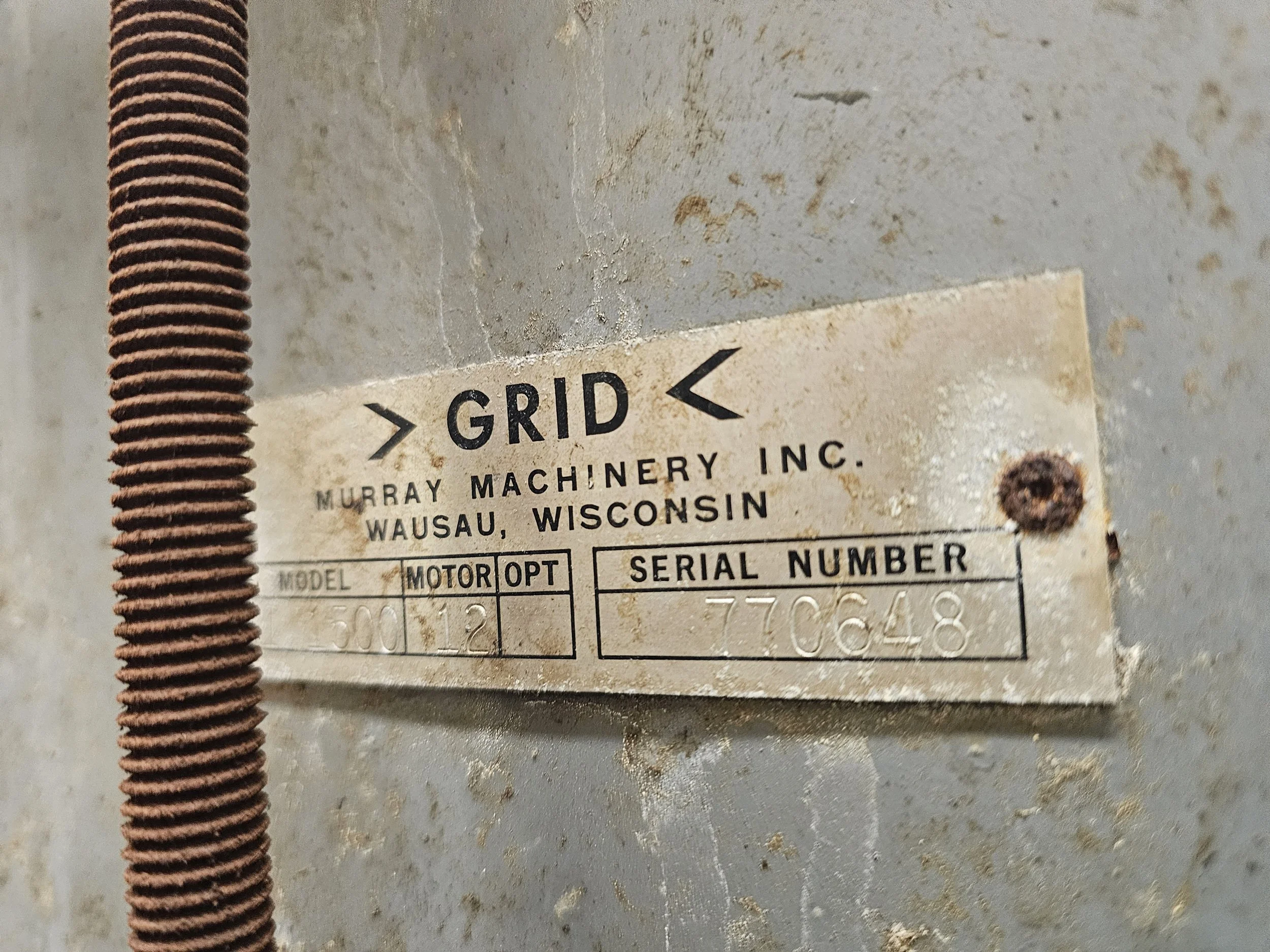
A Grid Heater from 1977 that works like new!
Durability and Longevity
This is where cast iron's reputation is most firmly established — and most deserved.
Steel heaters, particularly at elevated temperatures and in humid or variable environments, are vulnerable to corrosion over time. Thin-wall steel construction also makes these units susceptible to warping and fatigue from the expansion and contraction that happens with every heat cycle. Over years of use, that repeated stress shows up as distorted seams, compromised joints, and eventually, failure.
Cast iron handles thermal cycling with considerably more stability. Its lower coefficient of thermal expansion means less movement through heat and cool cycles, which translates to tighter joints and better long-term structural integrity. And while cast iron can rust, it does so slowly and superficially — surface oxidation on a well-maintained cast iron heater is a cosmetic issue, not a structural one. Many cast iron heaters in commercial and industrial service are still performing reliably after 30, 40, or 50 years of use. That's not an accident of circumstance — it's the material doing what it was designed to do.
Efficiency Over the Long Run
A steel heater may be rated efficiently on day one, but performance can degrade as the unit ages, warps, or develops small gaps at joints and seams. What looked good on a spec sheet at purchase may not reflect what the unit delivers after five years of hard use.
Cast iron maintains its form and its fit over time. The sections stay true, the seals hold, and the heat output remains consistent with what the unit was designed to deliver. In that sense, cast iron heaters tend to earn their efficiency rating over a much longer operational window than their steel counterparts.
Maintenance and Total Cost of Ownership
Steel heaters often have a lower purchase price, and that number is appealing at the point of sale. But total cost of ownership tells a different story. More frequent replacement cycles, repair costs associated with warped or corroded components, and the productivity disruption of equipment failure all add up.
Cast iron heaters carry a higher upfront investment that typically pays for itself many times over in service life. Maintenance requirements are straightforward — keep the unit clean, address any surface corrosion before it progresses, and inspect joints and gaskets on a regular schedule. There's no complex maintenance program required, just consistent basic care.
The Right Choice for Long-Term Performance
For applications where durability, thermal consistency, and decades of reliable service matter, cast iron is the clear answer. Steel has its advantages in specific contexts — lighter weight, faster response, and lower initial cost can be the right trade-off for certain uses. But for heating applications where you're making a long-term investment and expect the equipment to still be performing well years down the road, cast iron's track record speaks for itself.
Explore castironheaters.com to find cast iron heating solutions built to last.