
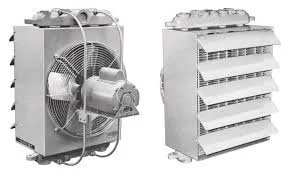
Cast Iron Heating Elements: Durable, Even Heat for Demanding Applications
What is a cast iron heating element?
A cast iron heating element is a resistance heater, usually a tubular element, that is cast directly into a solid iron body. The iron surrounds and protects the element, then carries its heat to the surface it’s mounted against. The result is a single solid part that can be shaped to fit flat platens, round barrels, pipes, tanks or custom equipment.

Industrial Cast Iron Heaters: Why They Still Outlast the Rest
In a shop, warehouse, or production floor, heating equipment takes a beating. Dust, vibration, temperature swings, and long run times wear down lighter units fast. That's why industrial cast iron heaters remain a go-to choice for facilities that need heat they can count on year after year.
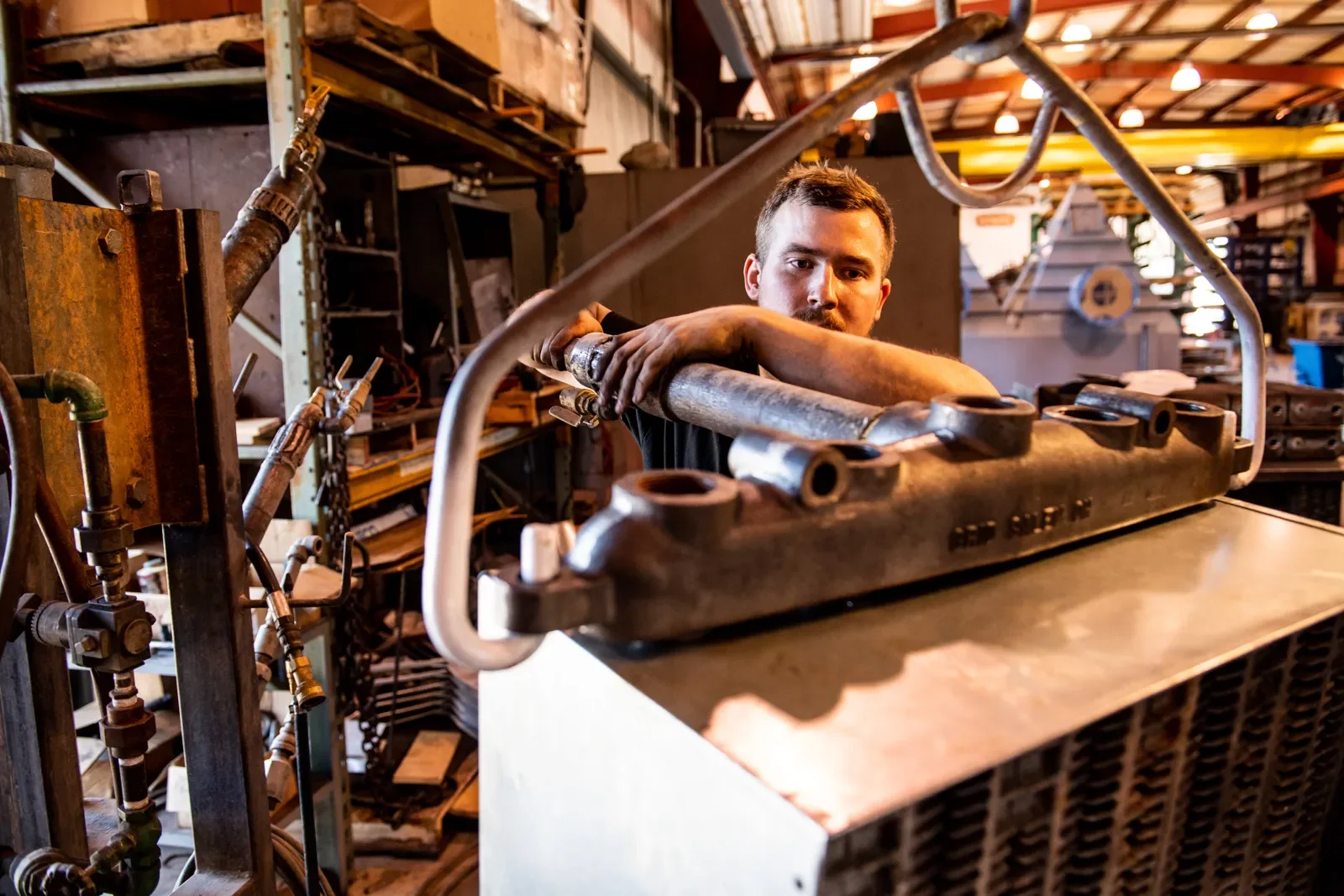
Cast Iron Heaters: Built for Industrial Spaces That Need Heat That Lasts
Heating a warehouse, plant, or hangar is a different job than heating an office. Large open spaces, high ceilings, loading dock doors, and harsh air all wear on equipment. Many heaters on the market are built with thin copper or aluminum parts that need replacing every few years. Cast iron heaters take a different approach, and it's why some of our customers are still running units they bought decades ago
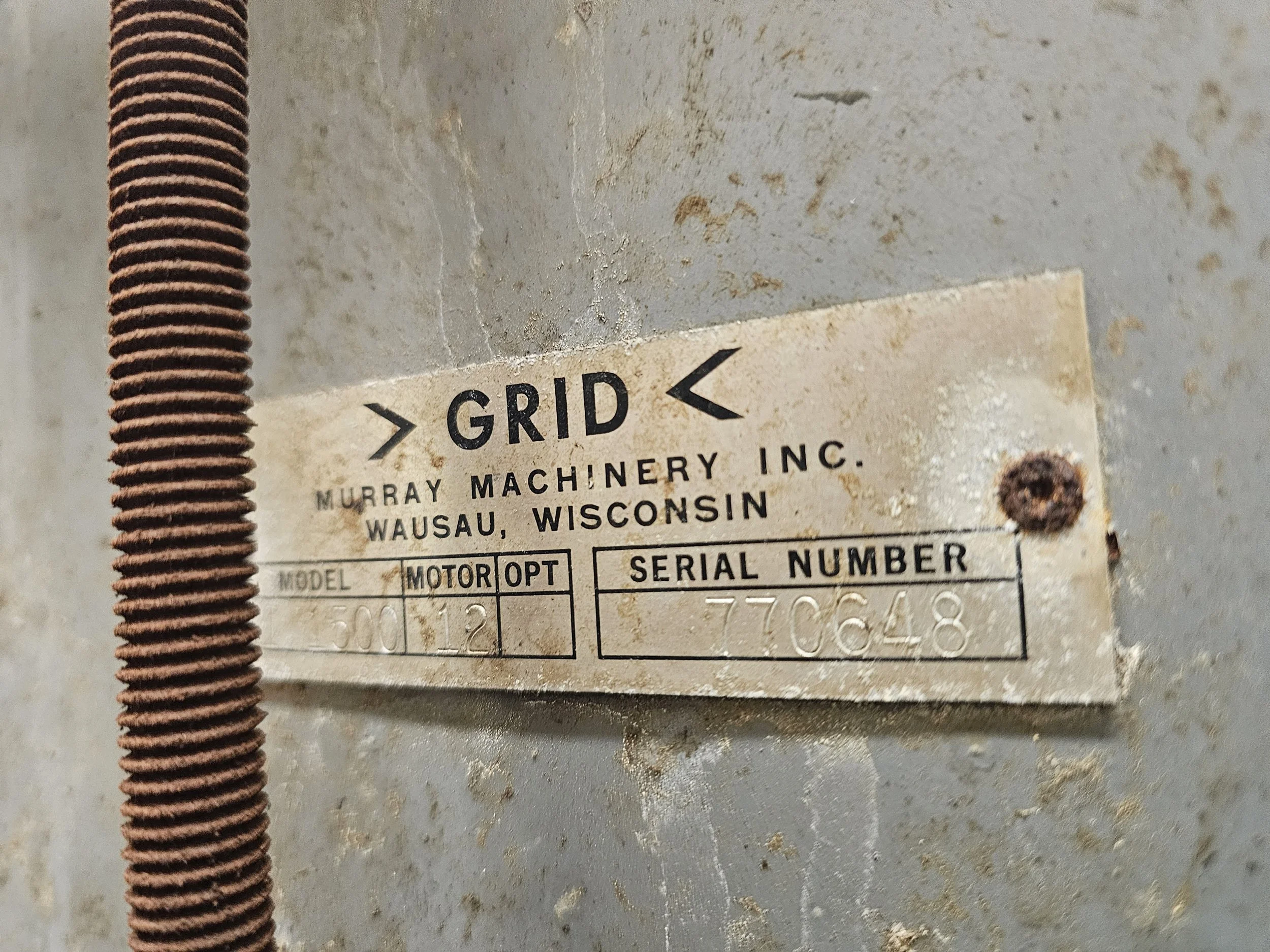
Ready to Replace Your Modine Heater?
If you're running a Modine heater in a tough industrial environment, you've probably noticed the signs: rust creeping across the cabinet, corroded fins, or a unit that just isn't holding up the way it used to. You're not alone.
Switching to Grid Heating Before Fall — Built on 100 Years of Reliability
Fall is when a lot of facilities start weighing their heating options for the season ahead. If you've been considering a switch to grid heating, now — before demand ramps up and lead times stretch out — is the time to make the move.
Why Steam Remains a Powerful Industrial Heating Source
Steam is uniquely suited for industrial environments. It carries a large amount of energy in a relatively small volume. When steam condenses, it releases latent heat rapidly and efficiently. This makes it one of the most effective ways to transfer thermal energy across long distances in a plant.

Understanding BTU Output in Industrial Cast Iron Heaters
If you've spent any time shopping for industrial heating equipment, you've run into the term "BTU" more times than you can count. It's plastered on spec sheets, product titles, and comparison charts — but a surprising number of buyers still aren't sure what it actually means for their space, or how to use it to make a confident purchasing decision.
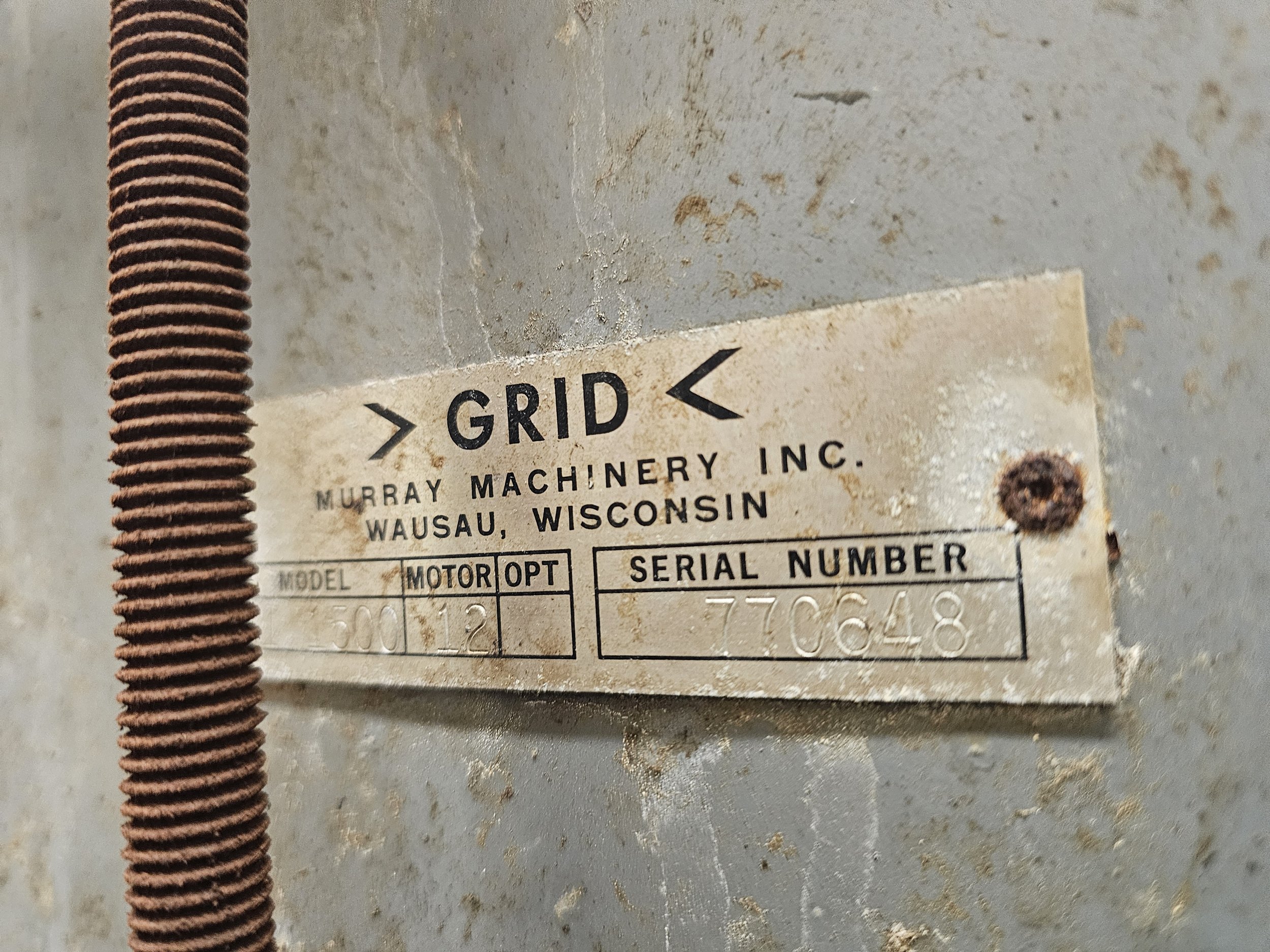
Cast Iron vs. Steel Heaters: Which Performs Better Over Time?
The material your heater is made from isn't just a spec sheet detail — it determines how your equipment performs a decade from now.
What Makes Cast Iron Ideal for High-Temperature, Industrial Environments
Some materials earn their place in industry. Cast iron is one of them.
It's not trendy. It's not new. It's been the backbone of industrial heating applications for well over a century — and it's still here because nothing has come along to replace what it does better than everything else. Durability, heat retention, longevity. Let's break down exactly why cast iron belongs in demanding, high-temperature industrial environments.
The Science Behind Cast Iron Heat Retention
The science comes down to thermal mass. Cast iron is a dense, heavy material, which means it can absorb a significant amount of heat energy and release it slowly over time. Instead of heating and cooling quickly, cast iron stores heat and distributes it in a steady, controlled way.
Why Cast Iron Heaters Remain the Gold Standard for Industrial Heating
In an industry where reliability is everything, some materials simply stand the test of time. Cast iron is one of them. For generations, cast iron heaters have been trusted in industrial environments for their durability, efficiency, and unmatched performance—and even as technology evolves, they continue to set the standard.
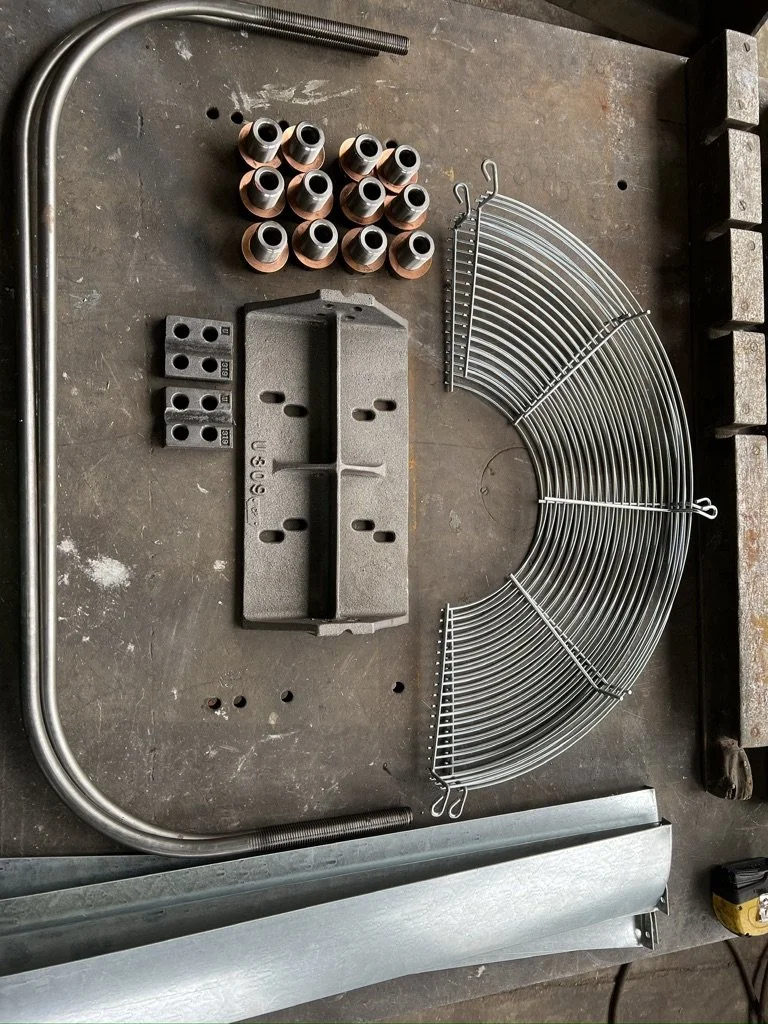
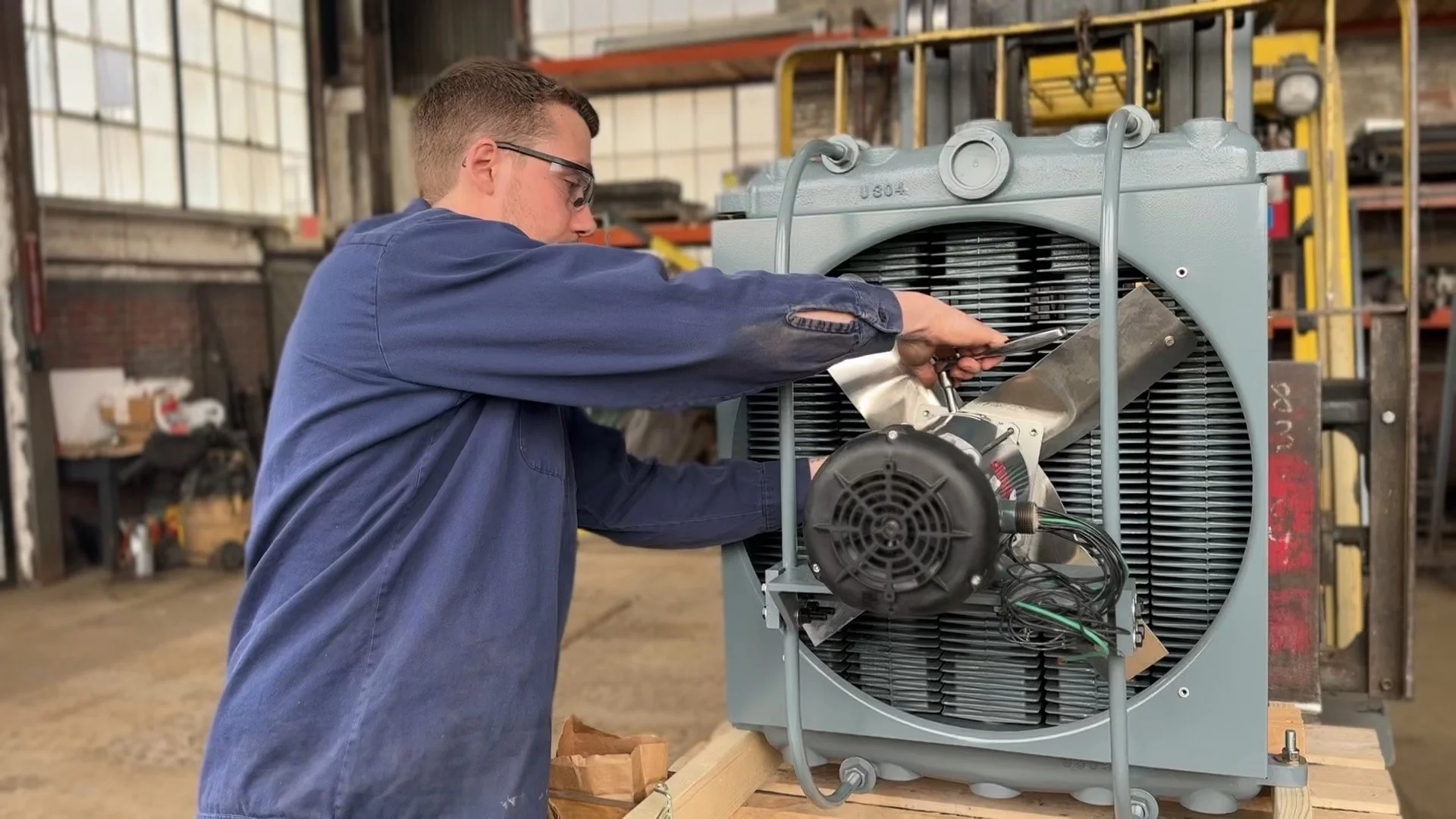
Replacement Fan Blades for Cast Iron Heaters
If the fan blade on your cast iron heater is worn, bent, or damaged, you don’t need to replace the entire heater. In most cases, the heater itself can last for decades—only the fan blade needs to be replaced.
How Cast Iron Heaters Reduce Downtime in Industrial Facilities
In industrial operations, downtime is expensive. When equipment fails or heating systems underperform, production slows, employees lose valuable work time, and operating costs climb quickly. Reliable heat is not a luxury in these environments — it is a necessity.
The Benefits of Steam Heaters in Industrial Heating Systems
Steam heaters have been a cornerstone of industrial heating systems for decades. In demanding environments where reliability matters, steam continues to deliver consistent heat, long service life, and dependable performance.
The Role of Cast Iron Heaters in Industrial Applications
In the industrial world, reliability isn’t a luxury—it’s a requirement. That’s where cast iron heaters quietly shine, doing the heavy lifting day after day in demanding environments.
Prep for Winter Now: Summer Tips for Your Cast Iron Heater (Copy) (Copy)
When it comes to reliable, efficient warmth, cast iron heating still leads the way. Known for its durability and steady performance, cast iron outperforms lighter metals like aluminum and steel in nearly every category that matters.
Prep for Winter Now: Summer Tips for Your Cast Iron Heater
Cast iron grid heaters are industrial-strength heating solutions that use electrical resistance to generate heat. As electricity flows through internal elements, the cast iron grid absorbs and radiates heat evenly across its surface—ideal for everything from air heating to freeze protection.
How Cast Iron Grid Heaters Work: The Science Behind Efficient Heating
Cast iron grid heaters are industrial-strength heating solutions that use electrical resistance to generate heat. As electricity flows through internal elements, the cast iron grid absorbs and radiates heat evenly across its surface—ideal for everything from air heating to freeze protection.

No copper, no corrosion!
At Grid Industrial Heating, we prioritize durability and performance in every product we deliver. That’s why we use cast iron in our heating systems instead of copper. Why is this important? Because no copper means no corrosion—a key factor in ensuring your industrial heating system's longevity and reliability.