
The Science Behind Cast Iron Heat Retention
Cast iron has been trusted in industrial heating for generations because of one powerful advantage: it holds heat extremely well.
The science comes down to thermal mass. Cast iron is a dense, heavy material, which means it can absorb a significant amount of heat energy and release it slowly over time. Instead of heating and cooling quickly, cast iron stores heat and distributes it in a steady, controlled way.
This makes cast iron especially valuable in industrial heating applications where consistency matters. Once a cast iron heater reaches temperature, it can help maintain stable heat output with fewer sharp temperature swings. That steady performance can support more efficient processes, reduce stress on surrounding equipment, and improve overall system reliability.
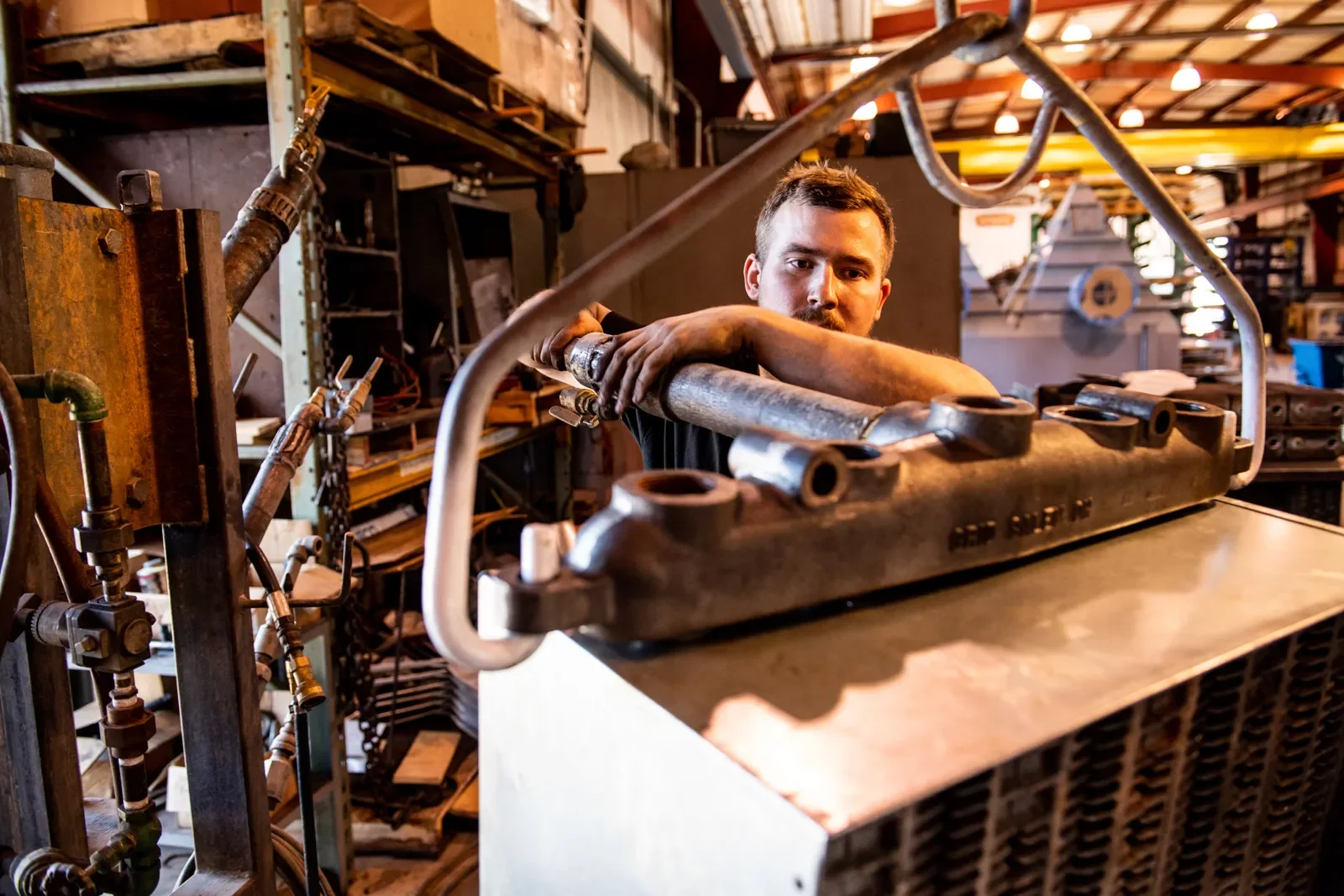
Cast iron also responds well to demanding environments because it is strong, durable, and resistant to deformation under heat when properly designed and maintained. In industrial settings, where equipment may run for long periods, that combination of heat retention and durability is a major advantage.
Another benefit of cast iron heat retention is recovery time. When heat is temporarily pulled from the system, cast iron’s stored thermal energy can help stabilize temperatures more quickly than lighter materials. This helps create smoother operation and more dependable performance.
At Cast Iron Heaters, we understand that industrial heat is not just about getting hot. It is about staying consistent, holding temperature, and performing reliably over time. That is why cast iron continues to be one of the most trusted materials for long-lasting industrial heating solutions.