
Ready to Replace Your Modine Heater?
If you're running a Modine heater in a tough industrial environment, you've probably noticed the signs: rust creeping across the cabinet, corroded fins, or a unit that just isn't holding up the way it used to. You're not alone. We've had a steady stream of calls lately from facility managers doing exactly that — swapping out aging Modine heaters for cast iron units better suited to the conditions they're actually operating in.
Why the Switch?
Modine heaters are a common sight in shops and warehouses, and for general-purpose heating, they get the job done. But in environments with corrosive fumes, washdown chemicals, high humidity, or heavy particulate in the air, their thin-gauge sheet metal construction starts to work against them. Corrosion sets in, heat exchangers degrade, and what should be a 15-20 year investment turns into a heater you're replacing every few years.
Cast iron heaters are built differently from the ground up. The heavier, denser material resists corrosion far longer than standard sheet metal, and it holds up to the kind of punishment that industrial spaces dish out — chemical exposure, moisture, dust, and constant thermal cycling. That's why we're seeing more plants, spray booths, and processing facilities make the switch, especially in industries like metal finishing, plating, food processing, and anywhere else the air isn't exactly clean.
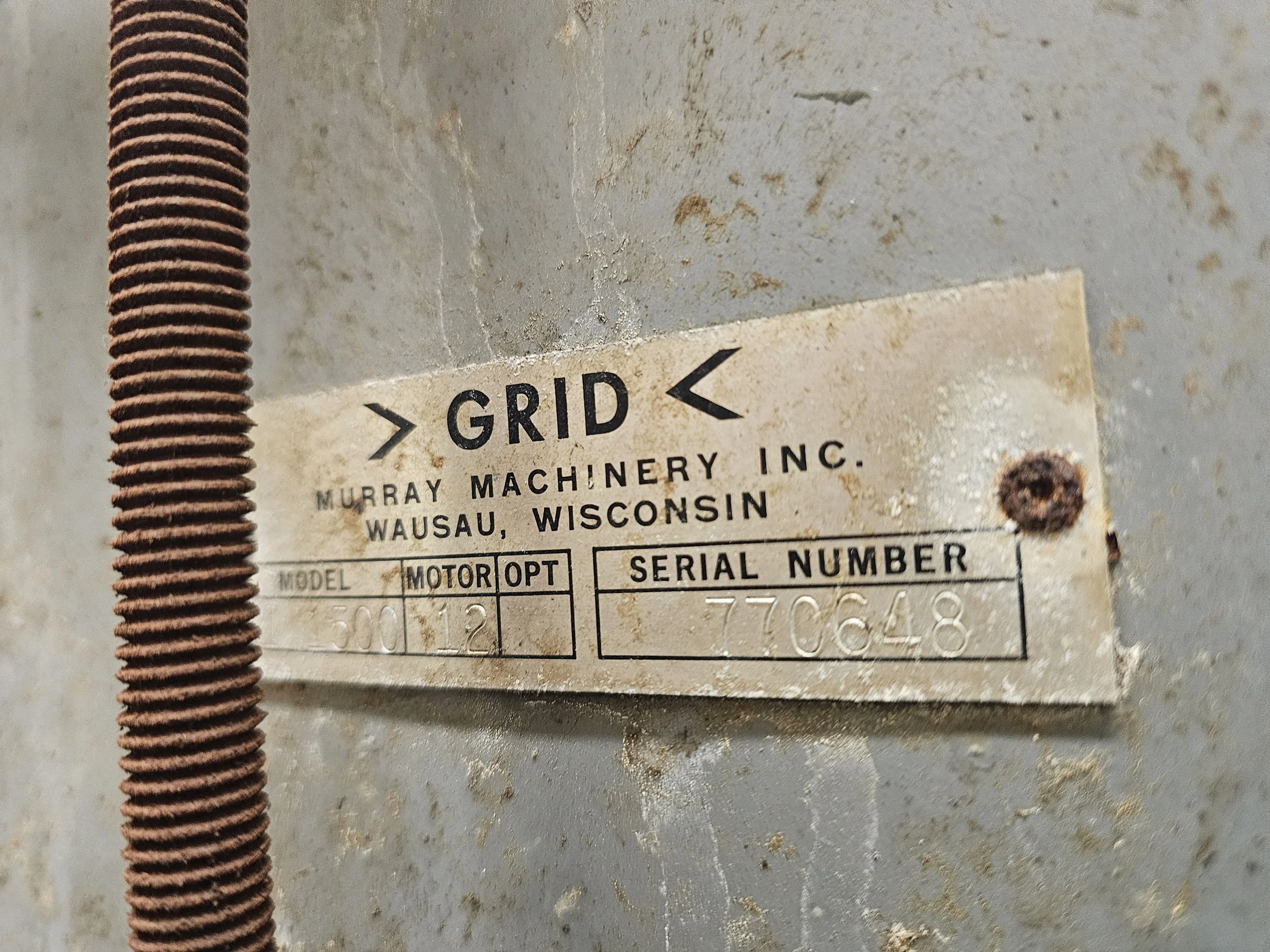
1977 Heater
What to Look For
If any of this sounds familiar, it might be time to take a closer look at your heating setup:
Visible rust or corrosion on the heater cabinet or fins
Uneven heating or longer warm-up times than you remember
Increased maintenance calls or part replacements
A facility environment with chemical fumes, washdown cycles, or high humidity
None of these are things to ignore. A heater that's struggling to keep up isn't just a comfort issue — it's a sign the unit is on borrowed time, and waiting until it fails completely usually means dealing with it in the middle of a cold snap, not on your own schedule.
Built for the Environment You Actually Work In
The real advantage of a cast iron heater isn't just that it lasts longer — it's that it's built for the environment it's actually going into, instead of a generic one. If your facility deals with corrosive air, harsh cleaning chemicals, or heavy industrial use, a heater designed around sheet metal construction is fighting an uphill battle from day one.
If you're noticing the warning signs, or you're just tired of budgeting for heater replacements every few years, give us a call. We'll take a look at your space and help you figure out what actually makes sense for the conditions you're working in.