
Cast Iron Heating Elements: Durable, Even Heat for Demanding Applications
Cast Iron Heating Elements: Durable, Even Heat for Demanding Applications
When a process needs steady, reliable heat over long hours, the heating element matters as much as the equipment around it. Cast iron heating elements are built for that kind of work.
What is a cast iron heating element?
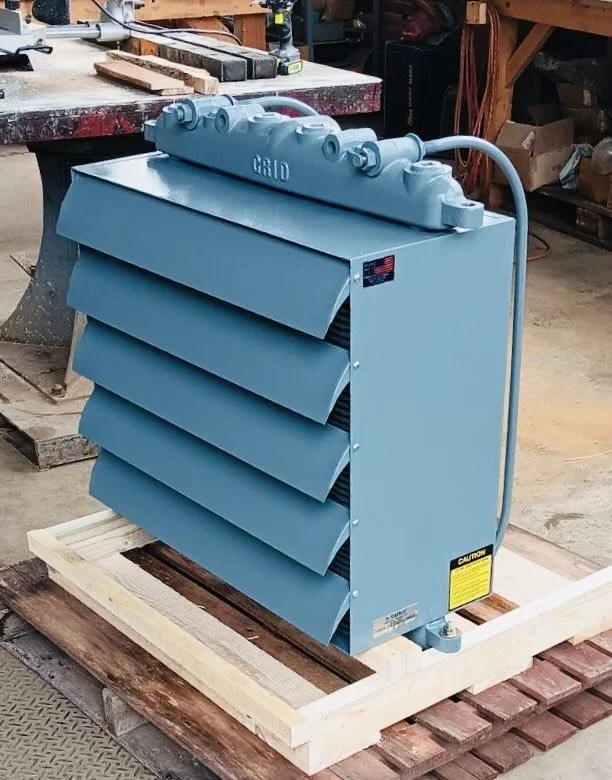
A cast iron heating element is a resistance heater, usually a tubular element, that is cast directly into a solid iron body. The iron surrounds and protects the element, then carries its heat to the surface it’s mounted against. The result is a single solid part that can be shaped to fit flat platens, round barrels, pipes, tanks or custom equipment.
Why cast iron?
Even heat distribution. Cast iron spreads heat across its whole surface instead of concentrating it at the element. That helps prevent hot spots and keeps temperatures consistent across the work surface.
Thermal mass. Cast iron holds heat well. Once it’s at temperature, it stays steady and resists swings when material is added or the environment changes.
Durability. The element is sealed inside the casting, protected from moisture, contamination and physical damage. Cast iron also stands up to vibration, abrasion and the wear of daily industrial use.
Higher temperature capability. Cast iron can handle higher operating temperatures than aluminum castings, making it a good fit for processes that run hot.
Custom fit. Because the heater is cast, it can be made to match the exact shape of the equipment, which improves contact and heat transfer.
Common applications
Cast iron heating elements are used wherever consistent, contained heat is needed, including:
Plastic extrusion barrels and dies
Heated platens and press plates
Melting pots and kettles
Pipe and valve heating
Tank and vessel heating
Packaging and sealing equipment
Choosing the right heater
The right cast iron heater depends on your operating temperature, wattage, voltage, mounting method and the shape of your equipment. Getting those details right up front means better heat transfer, longer heater life and less downtime.
If you’re replacing an existing heater or designing a new system, our team can help you find the right fit. Contact us to talk through your application.