
When you price out an industrial steam heater, the quote is the number everyone looks at first. It's also the smallest part of what the heater will cost you.
A steam unit heater can hang in the same spot for decades. Over that time, steam use, maintenance, repairs, and the hours a cold building sits idle all add up. A heater that costs less on day one can easily cost more by year ten.
Here's how to think about the full lifetime cost, and what drives each piece of it.
1. Upfront cost: the heater and the install
The purchase price covers the heater itself, but installation is often a big share of the first-year spend. Rigging, mounting, steam and condensate piping, traps, valves, and controls all add to the total.
A few questions worth asking at this stage:
Is the heater sized correctly for the space? An undersized unit runs constantly and never quite catches up. An oversized one cycles more than it should and costs more up front.
Will it fit your existing piping and supports? A direct replacement that matches your current connections can save a lot of labor.
What does it weigh? Heavier, more durable units may need sturdier mounting, which is worth planning for now rather than discovering on install day.
2. Operating cost: the steam you pay for every season
For most facilities, steam is the biggest single cost of running a heater. Every season, the boiler burns fuel to make the steam the heater uses. Over a long service life, that energy cost can be many times the original purchase price.
What drives it:
Heat transfer. How well the heater moves heat from the steam into the air decides how much steam it takes to keep the building warm.
Condensate handling. Failed or poorly chosen steam traps let live steam escape or let condensate back up into the coil. Both waste energy.
Airflow and placement. A heater that throws air in the wrong direction, or sits too high, heats the ceiling instead of the work floor.
Performance over time. Some heaters lose efficiency as their coils corrode, foul, or leak. A unit that holds its output year after year keeps operating costs steady.
3. Maintenance and repair
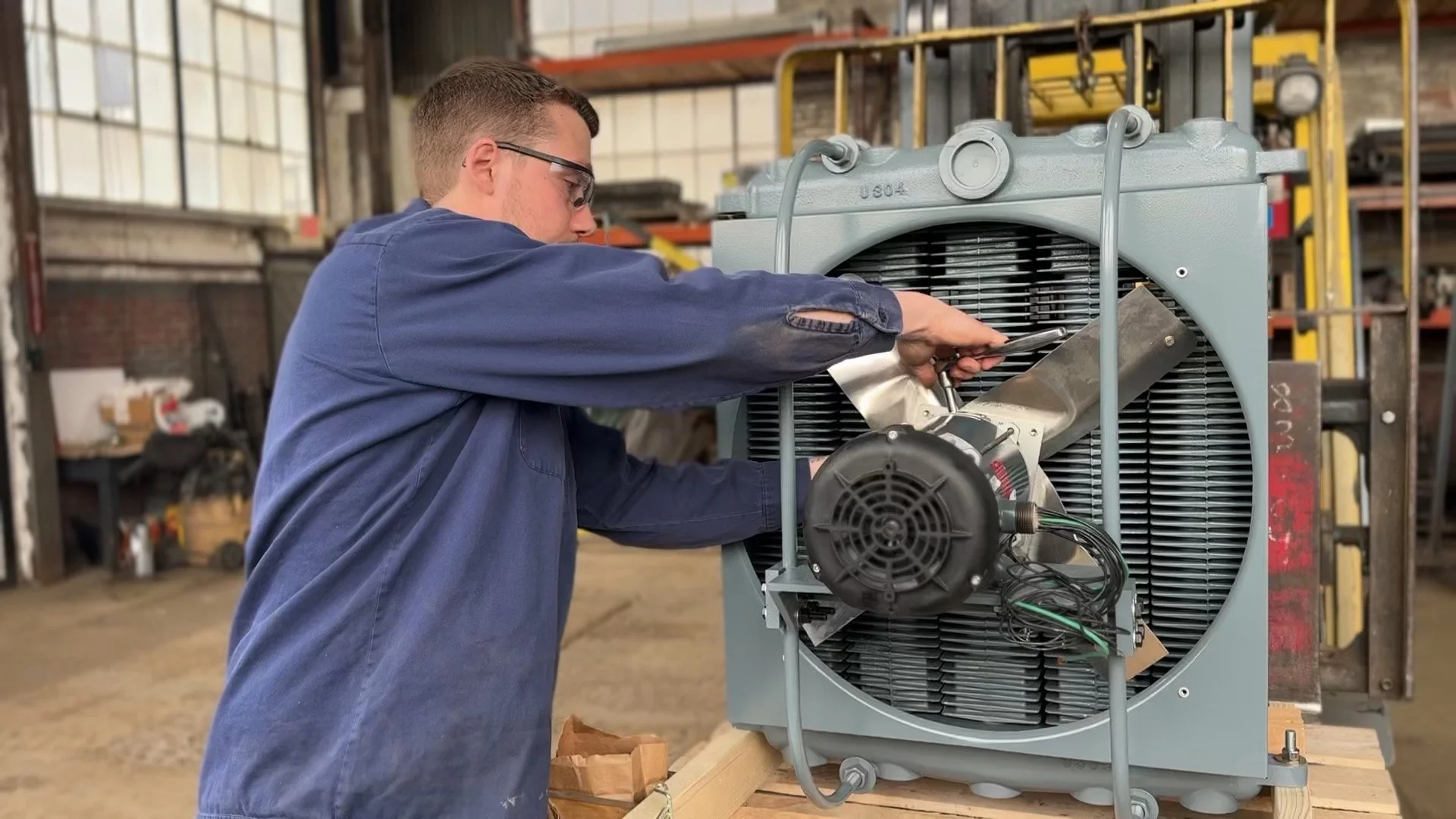
Every steam heater needs some upkeep. Traps get checked, motors and fans get serviced, and coils get cleaned. That routine work is predictable, so you can plan and budget for it.
The costs that hurt are the ones you didn't plan for. Leaking coils, cracked headers, and corroded tubes often mean pulling the unit down, sourcing parts, and paying for labor at short notice. Pressure swings and water hammer in steam systems are hard on equipment, and lighter-built heaters tend to show it first.
When you compare heaters, ask how often each one typically needs repairs, not just routine service. Ask too how easy it is to get replacement parts years from now.
4. Downtime: the cost that never shows up on the quote
When a heater fails in January, the repair bill is only part of the cost. A cold warehouse or plant can mean slower work, idle crews, frozen lines, missed shipments, or product that can't be stored at the wrong temperature.
These costs rarely show up in a purchasing comparison, but a single bad week can outweigh the price gap between a cheaper heater and a more durable one. Reliability isn't just a nice extra. It's part of the price.
5. Service life: how often you buy it again
The longer a heater lasts, the more years its purchase and install cost is spread across. A heater that has to be replaced halfway through a building's life means paying for equipment, rigging, and installation twice.
That's where cast iron earns its reputation. Cast iron handles the heat, pressure, and moisture of steam service well, and it stands up to the corrosion and stress that wear out lighter materials. Many cast iron steam heaters stay in service for decades, and some facilities still run units that were installed generations ago.
A heavier, longer-lasting heater may cost more on day one. Spread over its service life, it often turns out to be the cheaper choice.
Putting it together
To compare two heaters on more than price, estimate each of these over the years you expect to own the unit:
Purchase and installation
Yearly steam and energy cost
Routine maintenance
Expected repairs and parts
Likely downtime and what it costs your operation
Replacement, if the heater won't last as long as the building
Add them up and divide by the years of service. That cost per year tells you much more than the price on the quote.
If you're planning a replacement or comparing options for your facility, contact our team. We're glad to talk through sizing, fit, and what makes sense for your building over the long run.